
In healthy relationships, understanding roles helps create balance. It also strengthens connection over time.
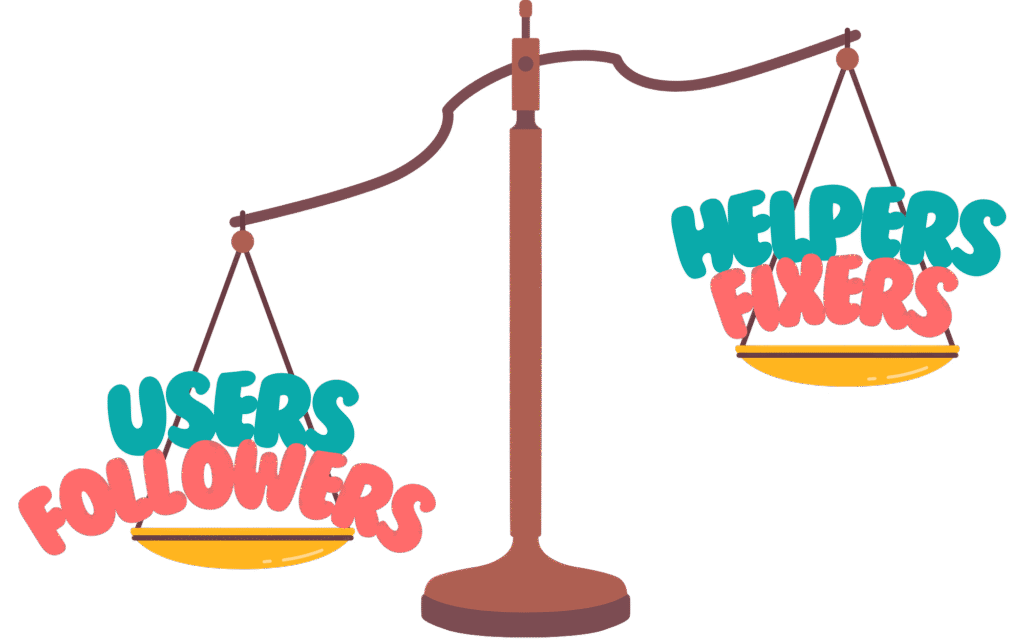
At different points, partners may fall into familiar patterns. For example, they may act as Supporters, Helpers, Fixers, Users, or Followers.
Each role shows how we give, receive, or depend on our partner. Because of this, these patterns shape how the relationship feels. Therefore, becoming aware of them matters. When partners understand these roles, they feel more valued and supported. For more insight on how imbalance shows up and how couples can work together to restore balance, see this article from Psychology Today.
Below, we explain each role step by step. Along the way, we explore what drives these behaviors. Finally, we show how each role can either support growth or create strain in a relationship.
The Different Relationship Types
Supporters
Supporters encourage their partner. They give emotional support and show care. At the same time, they respect independence. They do not take control or cross boundaries.
Instead of fixing problems, supporters trust their partner. They believe their partner can grow. Because of this, both people stay responsible for themselves. As a result, the relationship feels balanced.
Most importantly, supporters stay present without losing who they are. Over time, this builds trust. It also creates a healthy and respectful relationship.
Over-Functioners in Relationships
Helpers
Helpers give a lot in relationships. They focus on their partner’s growth. This may include emotional, mental, or personal growth. However, their partner may not give the same effort.
Because of this, helpers often feel tired. Over time, they may feel drained or unappreciated. Still, helpers stay hopeful. They believe their partner will change. However, that hope can turn into pressure.
Many helpers learned early that helping meant love. For example, they may have felt valued only when caring for others. Because of this, they may forget their own needs.
To grow, helpers need boundaries. Healthy support allows others to take responsibility. Also, helpers must learn the difference between helping and enabling. When helpers care for themselves, relationships become more balanced.
Fixers
Fixers try to change their partner. They believe they know what will help. As a result, they push solutions. Often, they do this without full agreement.
This creates stress. Fixers focus on fixing instead of accepting. Over time, this leads to frustration. Change does not last when it is forced.
Fixers often seek control to feel safe. Past chaos or fear may drive this need. Because of this, they may confuse control with love.
Growth starts with letting go. Fixers benefit from focusing on themselves. Self-reflection helps them see the fear behind the behavior. Trusting their partner leads to healthier relationships.
The Under-Functioners in Relationships
Users
Users take more than they give. They may rely on support, money, or time. However, they often give little back. Because of this, the relationship becomes one-sided.
Over time, trust breaks down. The giving partner feels used. As a result, emotional safety disappears.
Many users learned love through conditions. Needs were met only through exchange. Because of this, relationships feel transactional.
To change, users must build empathy. They must learn to give, not just receive. Self-reflection helps them understand their behavior. With mutual effort, relationships become healthier.
Followers
Followers take a passive role. They avoid decisions and let their partner lead. Over time, one person holds more control.
At first, followers may seem easygoing. However, this creates pressure. The other partner carries more responsibility. As a result, strain builds.
Often, followers doubt themselves. Past criticism may have shaped this fear. Because of this, they avoid taking action.
To grow, followers need confidence. Making small choices helps. Over time, active participation creates balance and shared effort.
In Conclusion
Healthy relationships need balance. Supporters show care without control. They stay present without losing themselves.
Change takes time. It also takes effort. When both partners share responsibility, relationships grow stronger and healthier.
